Welcome to an Immersive Experience at Japanese Snack Bars!
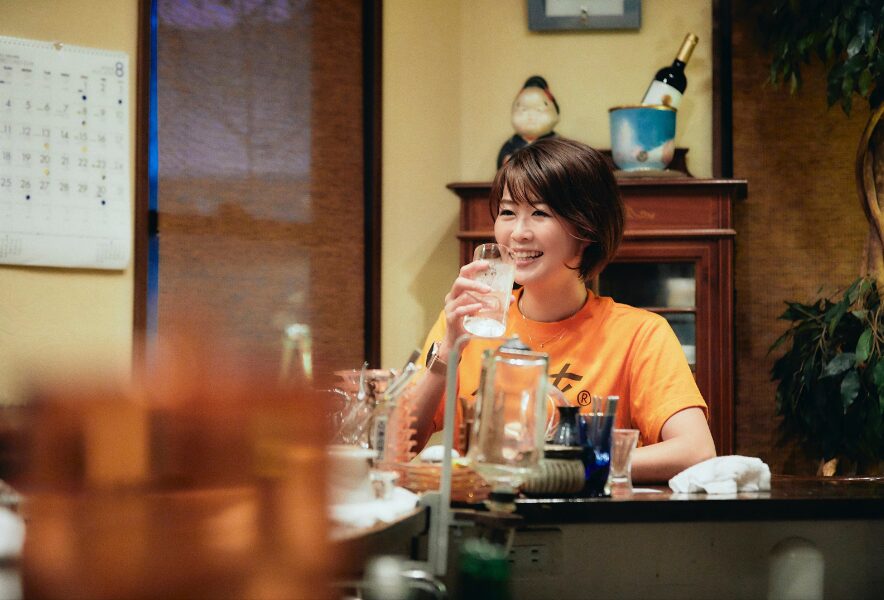
I’m Mayuko Igarashi—better known as “Suna-Jo,” a snack bar enthusiast who has stepped through the doors of more than 1,200 snack bars across Japan.
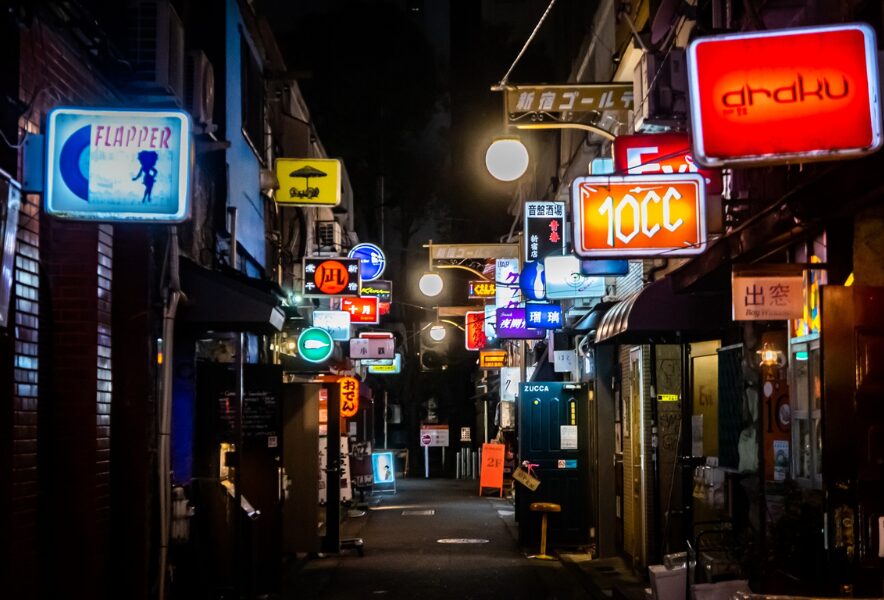
“Snack bars,” the small, intimate drinking spots that quietly illuminate Japan’s nighttime streets, have long been cherished as places where people connect and unwind.
Inside these cozy, slightly mysterious spaces lie layers of uniquely Japanese charm and culture—treasures you won’t find in any guidebook.
And when you finally gather the courage to push open that door, an entirely new world unfolds before you.
In this four-part series, I’ll share what makes snack bars so special, along with tips on how to enjoy them to the fullest—based on my own experiences as a devoted snack bar explorer.
Contents
What Is a Snack Bar?
A snack bar is a small, counter-style drinking spot where the owner—often a woman affectionately called “Mama” or “Mama-san”—welcomes guests from behind the counter.
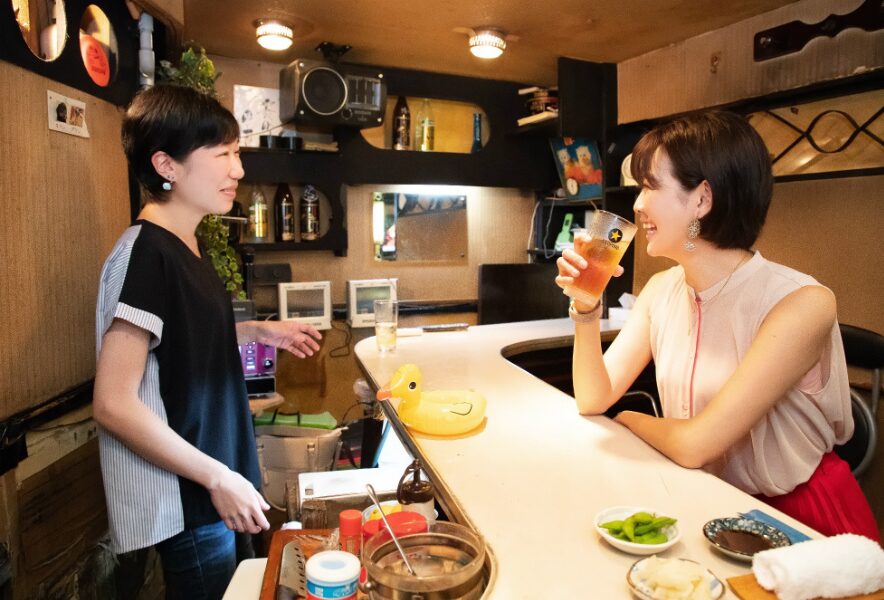
Patrons sip drinks, enjoy homemade light dishes, and chat with Mama or fellow guests. Many continue to visit for years, drawn to the warm, familial community that forms around each Mama’s personality.
This sense of comfort is one of the greatest appeals of snack bars.
To preserve that cozy atmosphere, some snack bars operate on a membership basis, meaning that walk-ins may not always be accepted.
Since these places rarely advertise online or appear in guidebooks, finding them can be a challenge in itself.
Snack Bar Pricing System
Most snack bars use a set-fee system, typically including:
・Seat charge
・Alcohol
・Light snacks
・Water and ice
・Karaoke fee
However, pricing details vary from bar to bar. Some charge extra for items like beer or karaoke, so it’s always best to confirm the fee when entering to avoid surprises.
The Origins of Snack Bars
Snack bars grew in popularity during Japan’s post-war period, especially in the 1950s and 1960s, as smaller, more intimate counterparts to large-scale cabarets.
While cabarets featured grand shows and dance halls, snack bars developed as cozy spaces where guests could enjoy more personal interactions.
In the late 1960s to 1970s, amendments to the Fuzoku Eigyo-ho (Entertainment Business Act) imposed stricter regulations on establishments where women served alcohol.
Snack bars evolved by adopting the counter-service style of coffee shops, merging approachable café culture with the intimate setting of drinking spaces.
The Maturation and Transformation of Snack Bar Culture
During Japan’s bubble economy, snack bars and cabarets thrived.
After the economic bubble burst, demand declined and competition intensified.
Even so, snack bars survived as community-based social hubs deeply rooted in local life—gaining strong support from older and middle-aged customers.
Snack Bars Today
Today, snack bars remain vital spaces for intimate social interaction and emotional comfort.
They hold cultural significance for people seeking nostalgia or meaningful local connections—offering continuity and warmth in an ever-changing society.
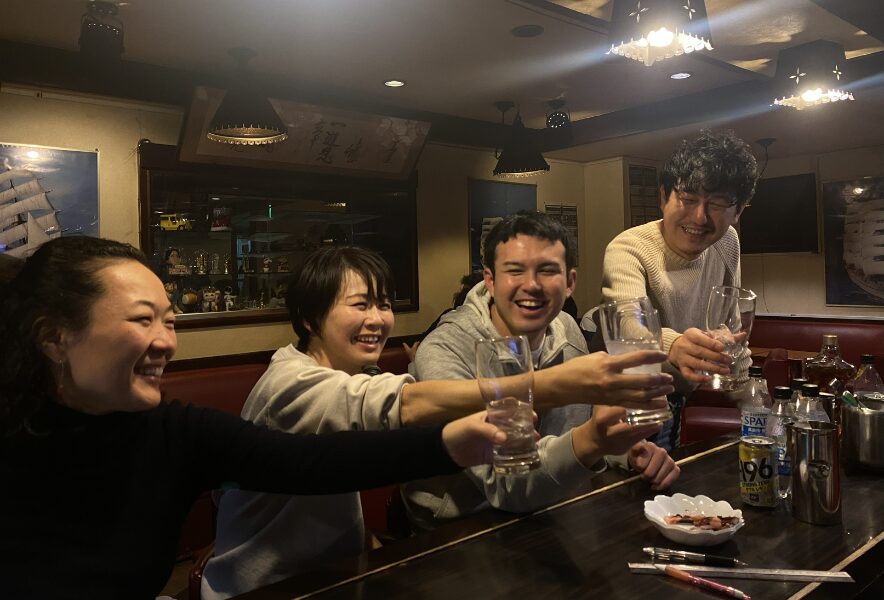
Snack Bars in the Wake of the COVID-19 Pandemic
The COVID-19 pandemic led to the closure of an estimated 6,000–10,000 snack bars.
Yet, as social interactions became limited, people reevaluated the importance of real, face-to-face connection—something snack bars embody naturally.
As a result, snack bars are once again appreciated as valuable places of comfort and community.
Are There Really More Snack Bars Than Convenience Stores?
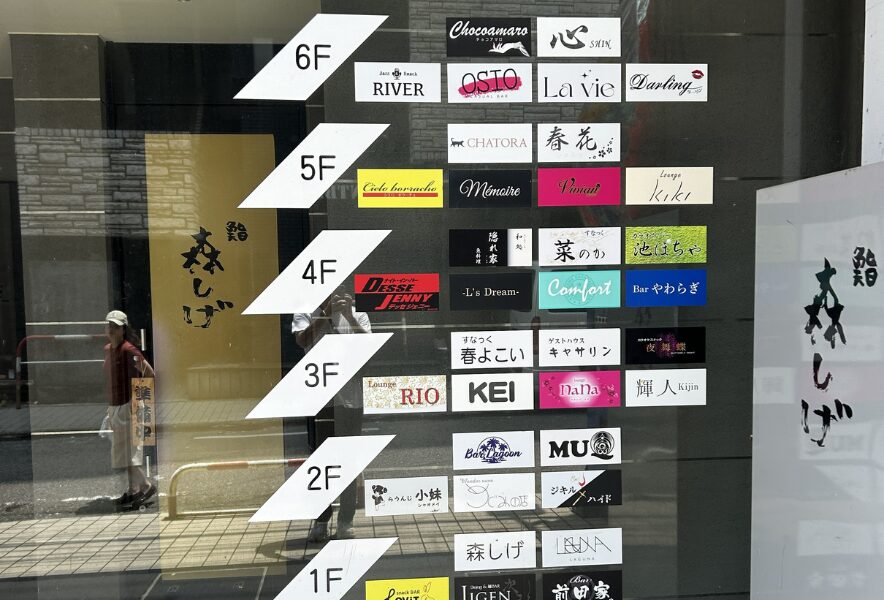
Based on my experience visiting snack bars around Japan, I estimate there are roughly 100,000 snack bars nationwide.
To put that into perspective, a 2024 survey reported approximately 57,000 convenience stores across Japan.
Surprisingly, snack bars—despite their hidden nature—are nearly twice as numerous.
This means snack bars are far more common and accessible than most people imagine.
Closing of Part 1
I hope this first part helped you get a sense of just how familiar—and yet deeply profound—snack bars can be.
In Part 2, I’ll share the true essence and “hidden delights” of snack bars, based on my own experiences.
Next time, we’ll explore “the unique, immersive charm that only snack bars can offer.”
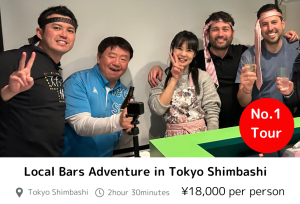
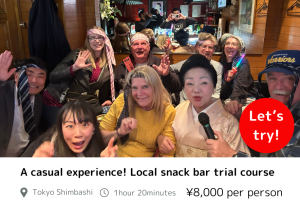
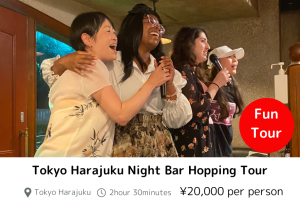
Would you like to make your snack bar debut with a snack tour?
Snack bars, beloved by many since the Showa era, can be found all over Japan. You can enjoy communication with the owner and other customers, as well as singing karaoke, allowing for a relaxing time.
Most snack bars have a policy of refusing entry to foreigners. However, with a tour, you’ll have a guide, so you can enter with peace of mind.
When visiting Japan, don’t just check off the tourist spots –
dive into local experiences for an unforgettable journey!
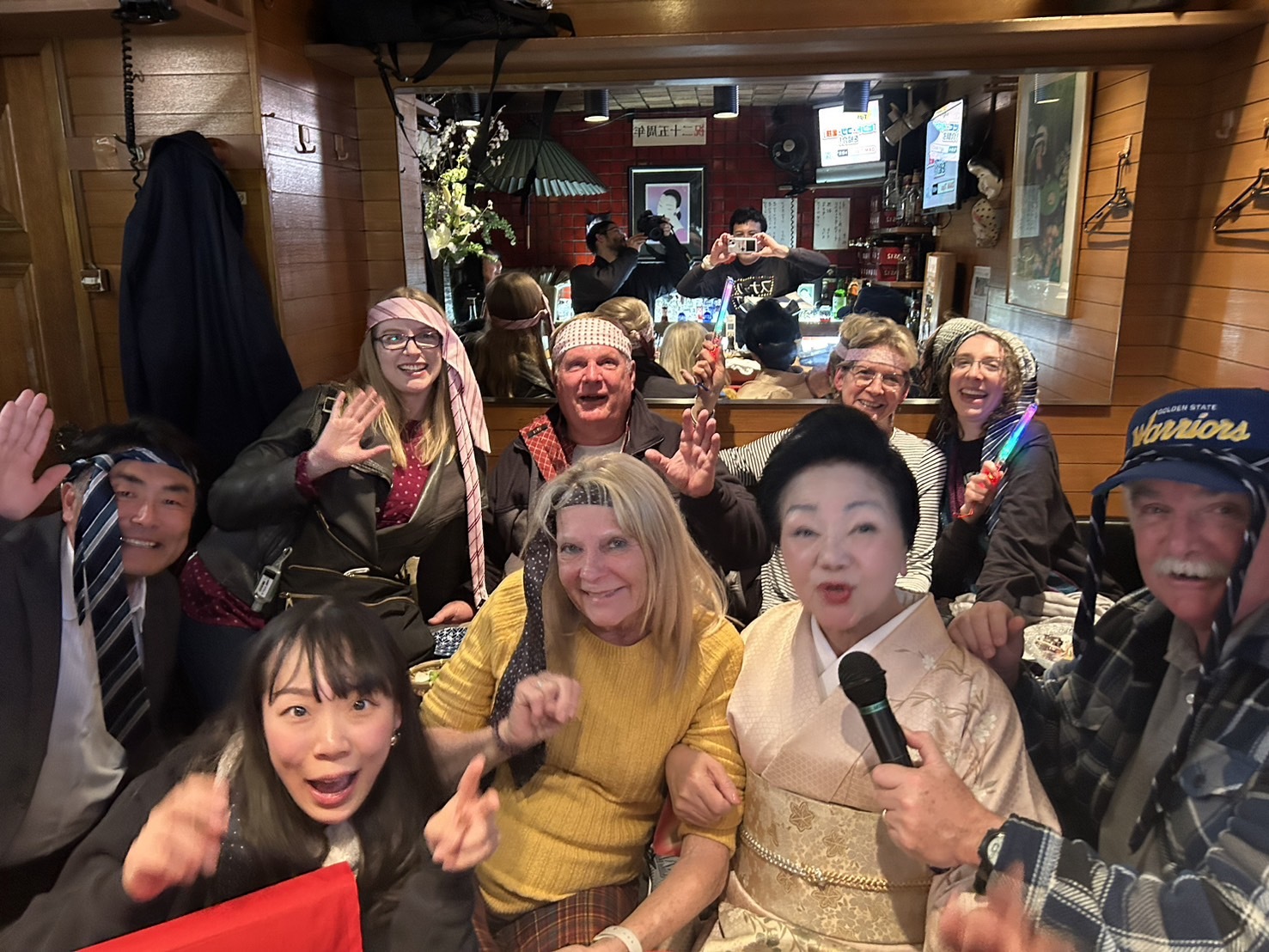
Once you experience it, you’ll be captivated too! The charm of snack bars.
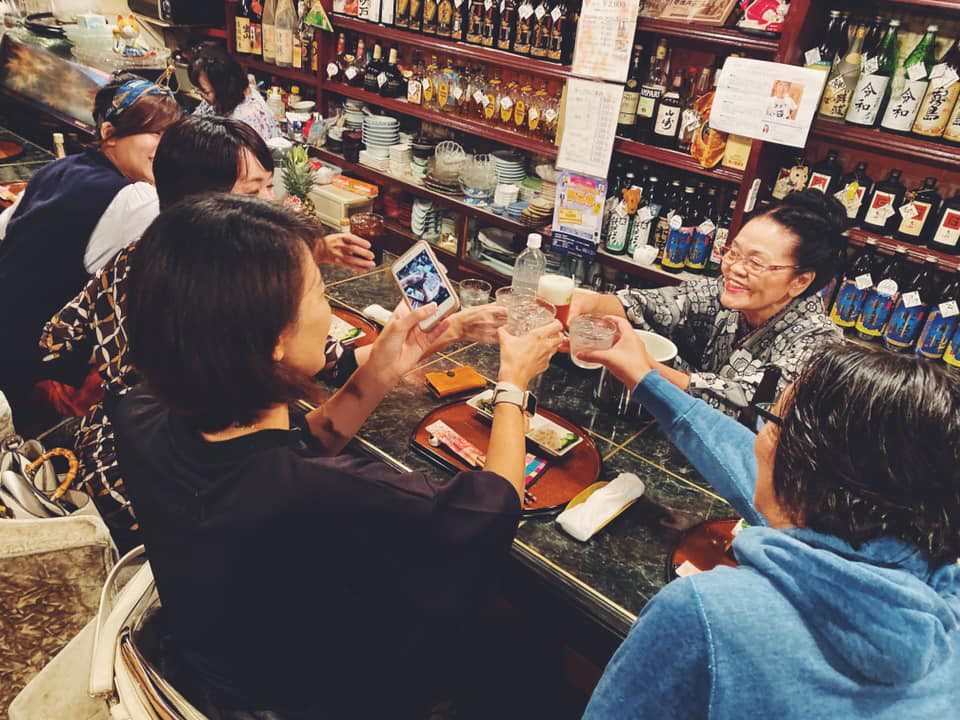
New encounters with people! The camaraderie of singing at a snack bar! Conversations with the mama-san!